Cuttings & fluids
Volumes, containment and disposal routes named before mobilisation.

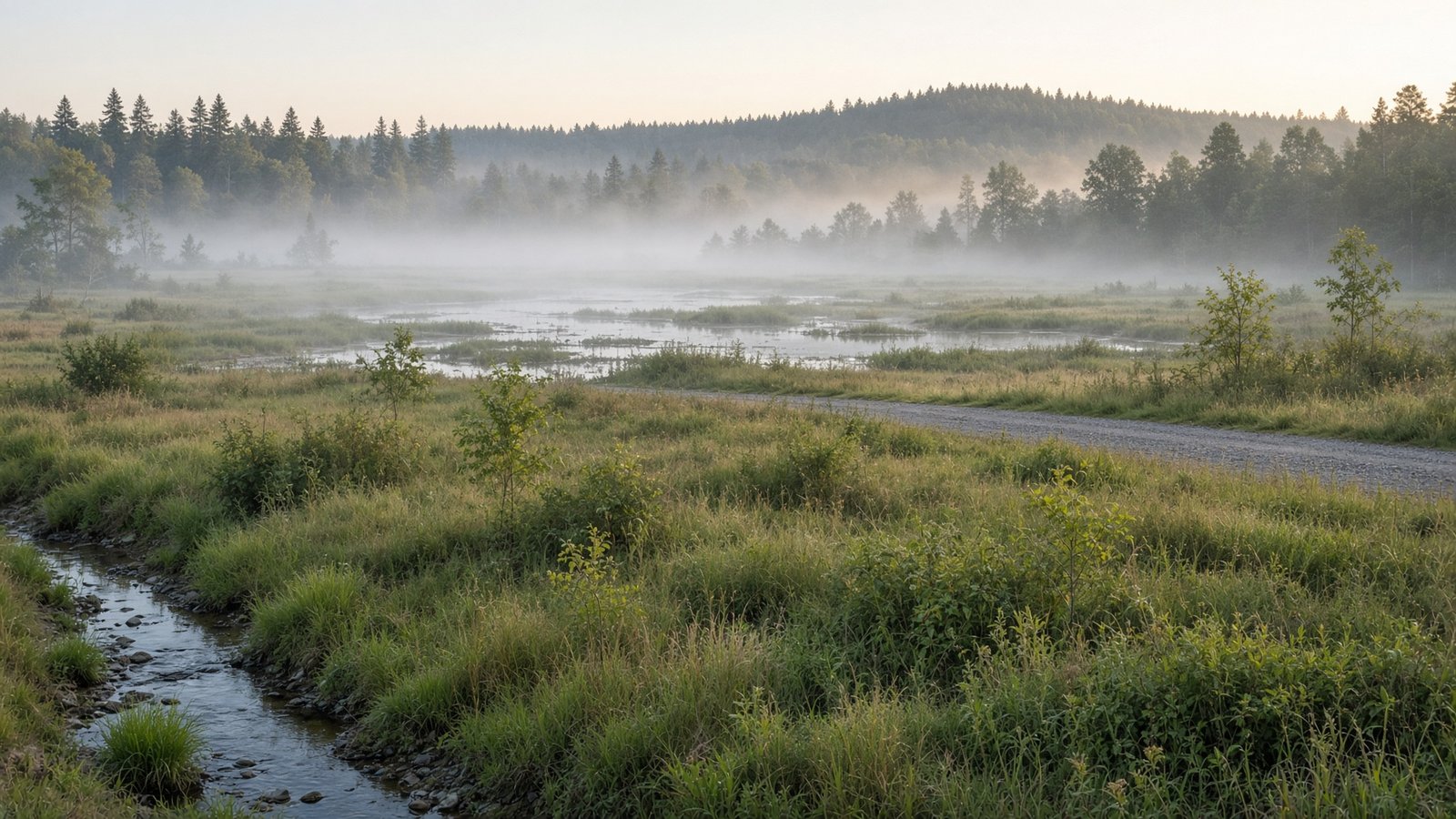
Environmental
We supply tools, equipment, and field support that help sites and plants meet local rules and leave a lighter mark on the land, air, and water around them.

At Petroleum & Energy Surges, we treat environmental care as part of everyday work. Procedures are written to cut risk and protect the places where we operate. The same standard applies at our own sites and at client sites: stay inside the law, and keep harm to air, water, and ground as low as practical.
Programs across the group aim to shrink our footprint and protect land and wildlife. We back practical climate and cleaner-energy targets and review progress against them.
We are adding lower-impact methods across plants and field work. We also accept responsibility for past effects of our activity and work to put those sites in better order.
We help supply energy with a smaller emissions load, while keeping service steady, safe, and priced so homes and local businesses can rely on it.
We are lowering emissions from power and gas operations, shifting more fleet vehicles to cleaner fuels, and raising the efficiency of the buildings we use.
Plants and field crews are expected to use water with care. We also share methods that help clients do the same.
We work with vendors so the goods and services we buy carry a smaller environmental load from source to site.
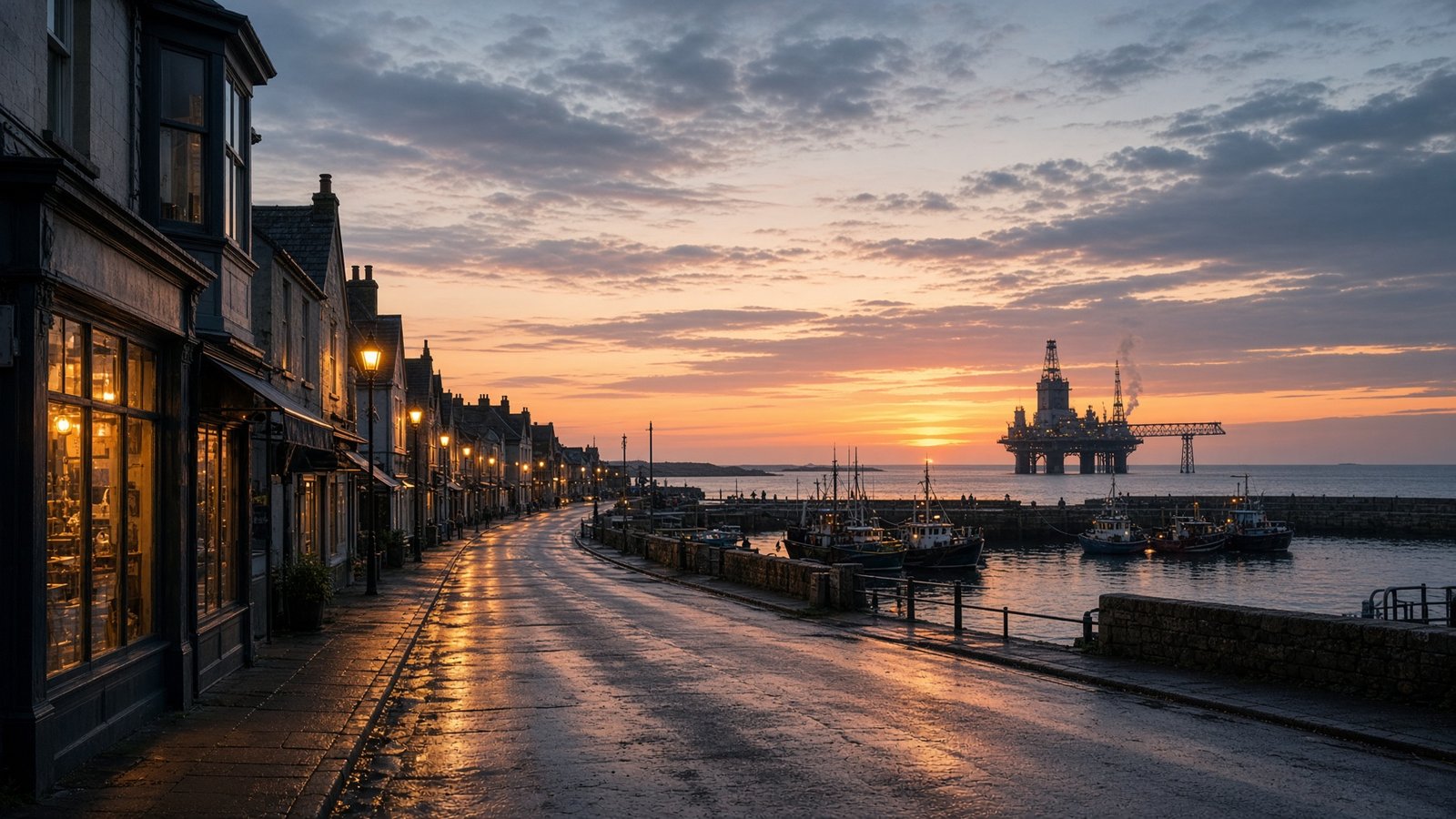
Climate risk and greenhouse gases are a shared problem. Our part is to keep the quality and reliability clients expect, while we look for ways to use energy better and cut carbon from our work.
Careful use of water is required for operations that can last. Better processes, planned water handling, and staff training help us need less fresh water, use less overall, and send less wastewater off site.
We hire locally where we can, put money into plants and infrastructure, and support groups that help nearby towns grow. That starts with listening to local leaders and residents, learning how each region works, and backing partnerships that create jobs and fairer social gains. Time and funds go into programs around the sites where our people live and work, so both the company and the community come out ahead.
Staff, contractors, and their families live in the same areas as our sites. We stay in contact with residents, local officials, regulators, conservation groups, and other nearby parties. That contact is part of how we run the business and part of our wider sustainability plan.
Neighbors and local governments should know what we plan and have a way to comment. Before, during, and after a major project we keep channels open: information in the languages people use, more than one way to reach us, timely replies, and meeting times that fit around work and family. The aim is that people can take part without giving up the rest of their day.
How marine engineering and field crews help bring wind projects from plan to installation.
Systems that capture unused energy and treat water so wells produce more with less waste.
Treating seawater at the seafloor to support recovery while cutting the load on surface plants.
Environmental performance is a planning problem. If cuttings, water and emissions only appear in a close-out, the job was already unmanaged.
Fluid systems, cuttings handling, water take and discharge, spill response, and the restoration the permit actually requires. Not a generic poster in the doghouse.
On producing sites, methane and flaring discipline are production issues. They are not delegated to a sustainability slide.
Photographs of the pad before and after are evidence, not marketing. Seed mix, drainage and access closure are specified. A green photograph without a permit reference is just a field.
If restoration is delayed, the file says why and who owns the delay. Silence is not a season.
Onshore campaigns fail quietly on water: source, quality, volume, discharge. We treat those numbers as we treat mud weight — they are on the daily report.
In practice
Communities judge us by the creek and the road, not by a global intensity number. That is rational. We plan for the creek.
Capability notes
Volumes, containment and disposal routes named before mobilisation.
Source, use and discharge limits as hold-points on land campaigns.
Leak awareness and flaring rules that operations can execute.
Pad and access returned to the permit condition — with photographs in the file.
Equipment and people on the location that the plan names, not in a distant warehouse.
Seasonal constraints treated as weather: they move the window.
Operators ask
When the campaign requires them, with a named contractor and a file that production can still find in five years.
The unit named in the close-out. ‘Someone in environment’ is not an owner.
As a volume with a permitted fate. Informal pits are not a system.
From the field
How energy companies actually work
Primary barrier is usually hydrostatic — the mud column. Secondary is mechanical — the BOP. If either is unproven, the bit does not turn.
Offshore is weather, marine spread and the stack. Onshore is access, water, pads and neighbours. Do not copy a jack-up plan onto a land pad.
A hold-point is a named gate with a criterion and an owner. ISO 45001 is the management-system language. A poster is not.
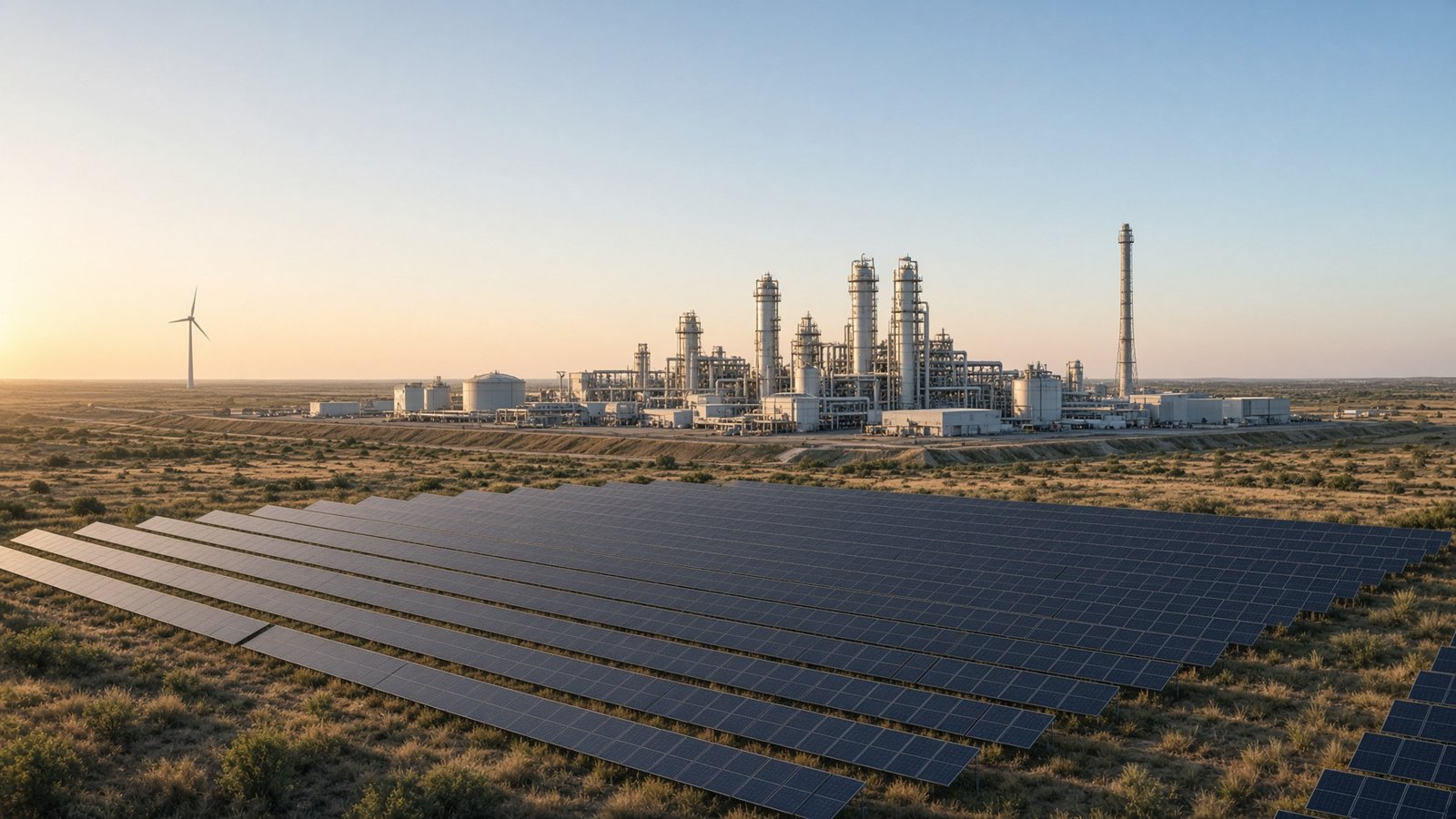
Solar on a producing location still needs isolations, lifting and SIMOPS. Reliability first. Intensity reduction second.
Investor administration uses the same idea as well control: nothing posts without evidence.
Roads, noise, local workforce and grievance routes belong in the mobilisation pack.

Safety as an operating condition
P&ES treats competence, barriers, SIMOPS and return-to-service as hold-points. Digital tracking names who released the step. Stop-work is not insubordination.
The energy system
Upstream
Exploration, appraisal and development are different jobs. The abandonment plan should be visible before the first joint.
Plant
Inspection planning is production support, not a compliance tax.
Power
Interconnection and offtake decide whether a plant is an asset or a stranded slide.
People
Tickets have dates. A frozen crew list is a hold-point. A CV is a biography.

Keep reading