01
What is the well class?
Water depth or terrain, pressure regime and whether the job is exploration, development, workover or abandonment.

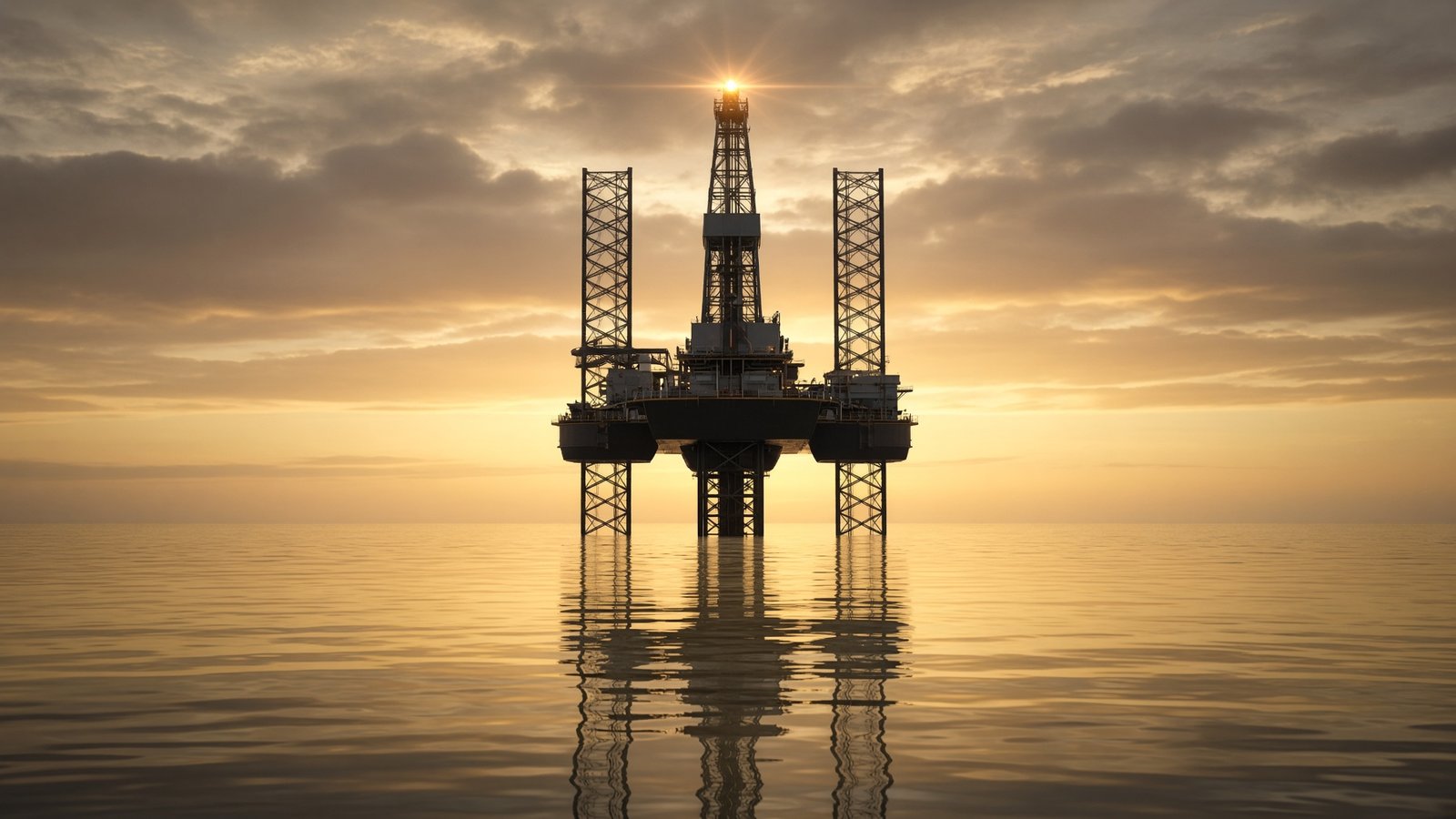
Fleet & Capability
A rig is a system: power, hoisting, circulation, well control and the people certified to use them. P&ES specifies technology against well class.
We do not publish a brochure of units we do not intend to staff. The questions below are the actual mobilisation conversation.
01
Water depth or terrain, pressure regime and whether the job is exploration, development, workover or abandonment.
02
Weather, season, port capacity, road bans and helicopter or vessel slots.
03
BOP, lifting gear and the people who operate them. Expiry dates are hold-points.
04
Spare equipment logic and a named decision-maker who can stop the date.
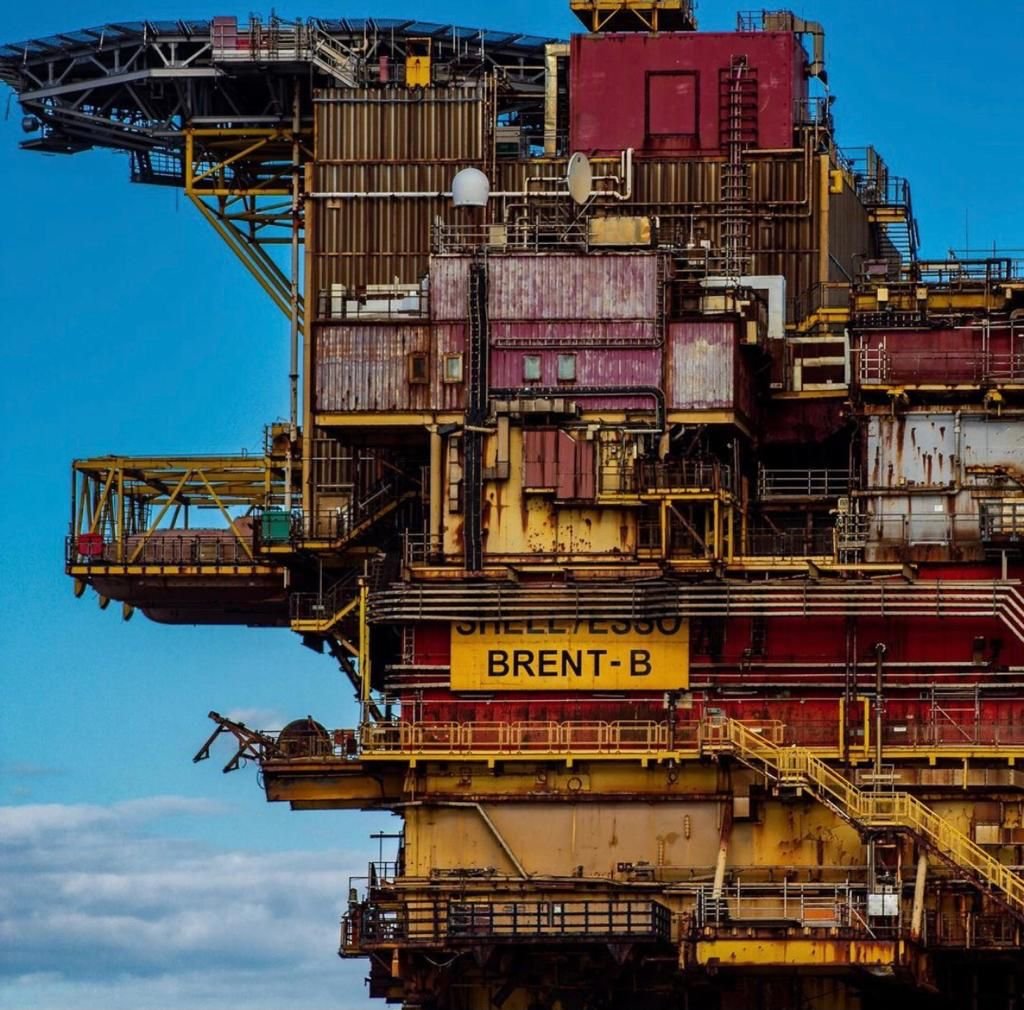
Land units
Pad slot spacing and walking paths are written before first move. Mixing a catalogue photograph with a well class is how people invent idle days.
Rig technologies →Marine units
Water depth, metocean and whether the BOP is surface or subsea decide the unit. Station-keeping alerts on floating jobs are well-control-relevant events.
Offshore drilling →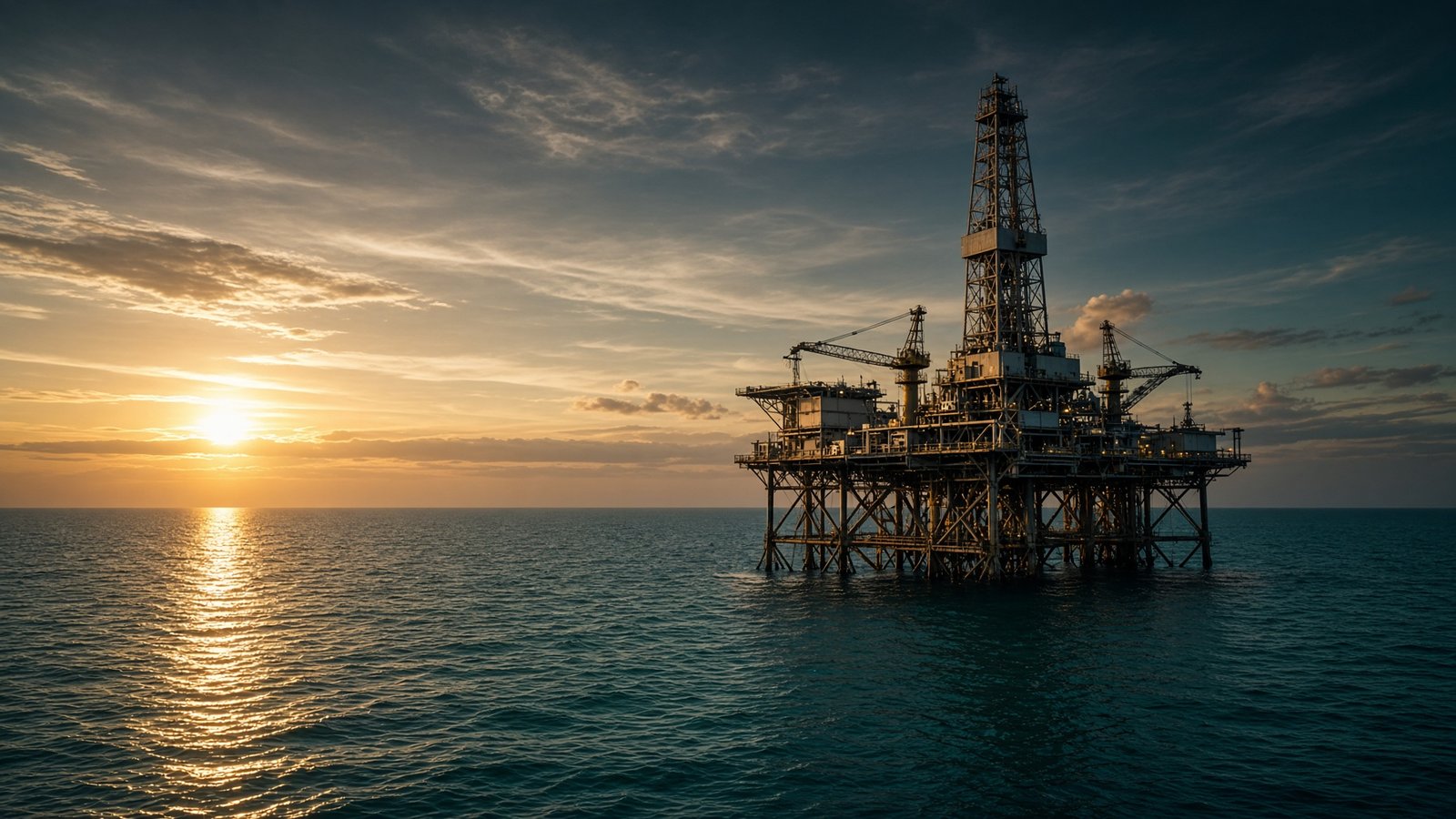
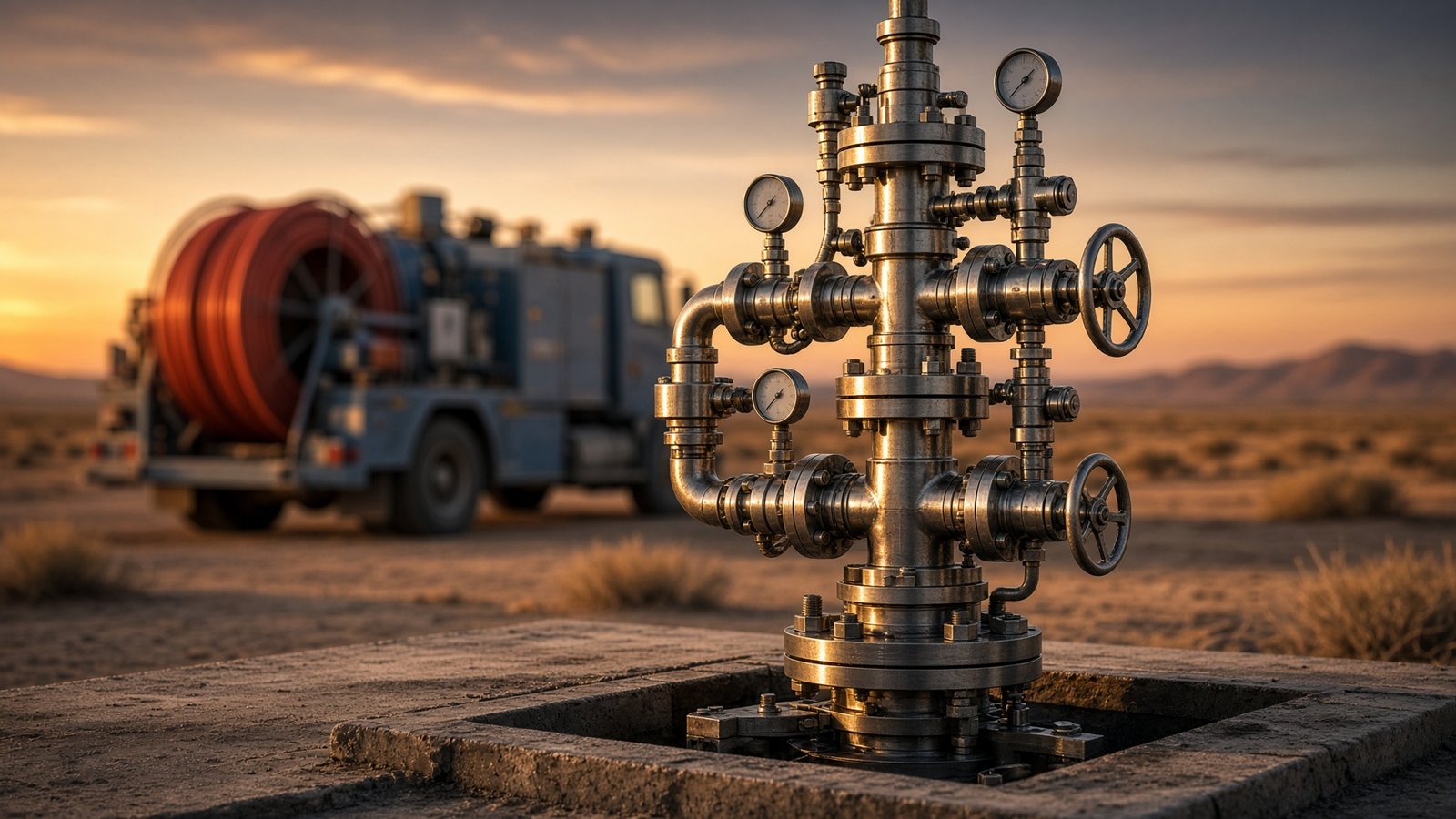
Wellbore interface
Wellhead profile, Christmas tree and barrier envelope are planned with the unit, not after it arrives. See wellbore technologies for completions and integrity.
Wellbore technologies →Competence that travels with the steel
IWCF / IADC tickets on the roles the stack requires. Drills use the actual equipment.
Crane and banksman competence matched to the marine or pad lift plan.
Who released the mobilisation hold-point, with what evidence.
From the field
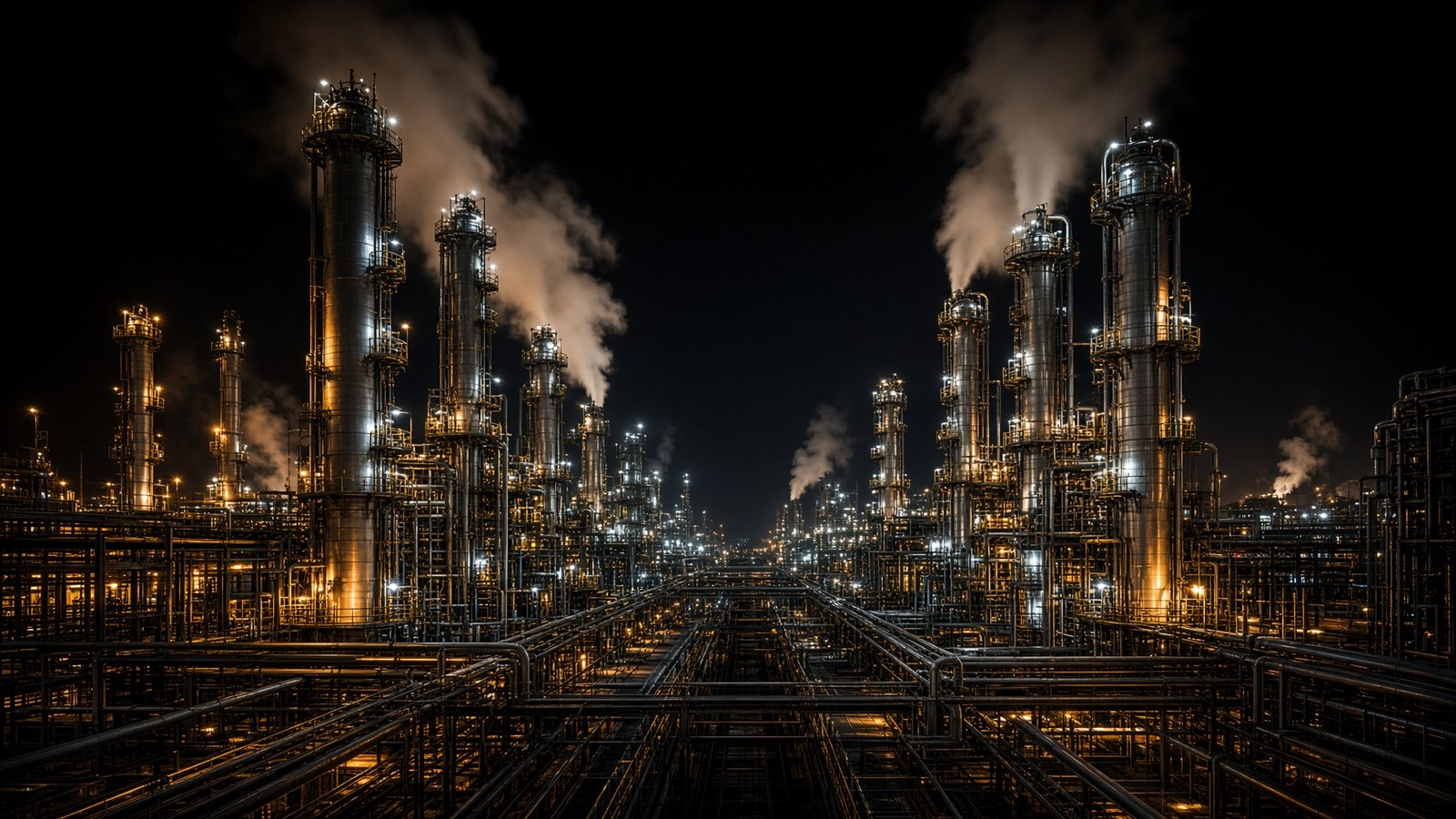
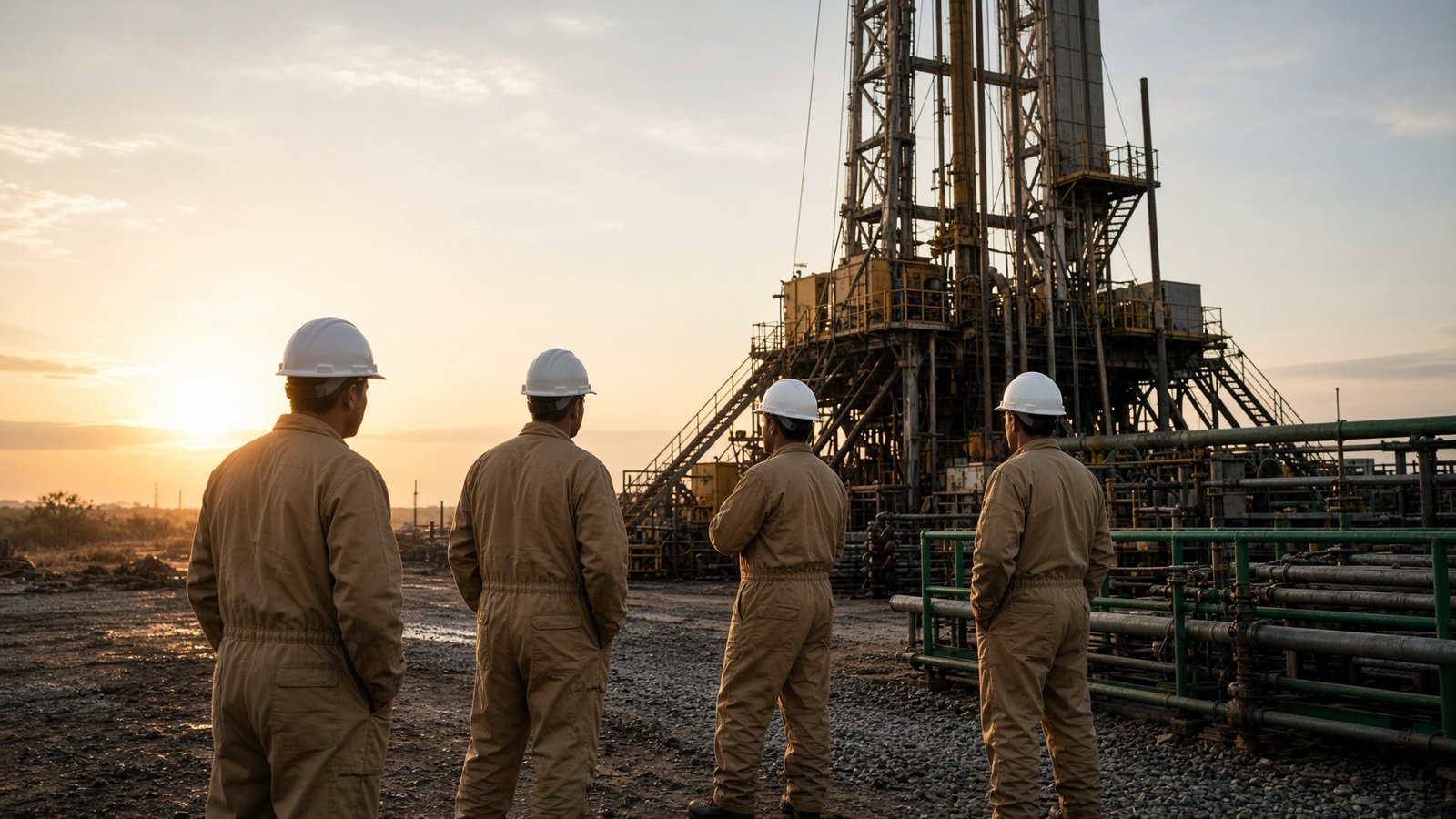
How energy companies actually work
Primary barrier is usually hydrostatic — the mud column. Secondary is mechanical — the BOP. If either is unproven, the bit does not turn.
Offshore is weather, marine spread and the stack. Onshore is access, water, pads and neighbours. Do not copy a jack-up plan onto a land pad.
A hold-point is a named gate with a criterion and an owner. ISO 45001 is the management-system language. A poster is not.
Solar on a producing location still needs isolations, lifting and SIMOPS. Reliability first. Intensity reduction second.
Investor administration uses the same idea as well control: nothing posts without evidence.
Roads, noise, local workforce and grievance routes belong in the mobilisation pack.
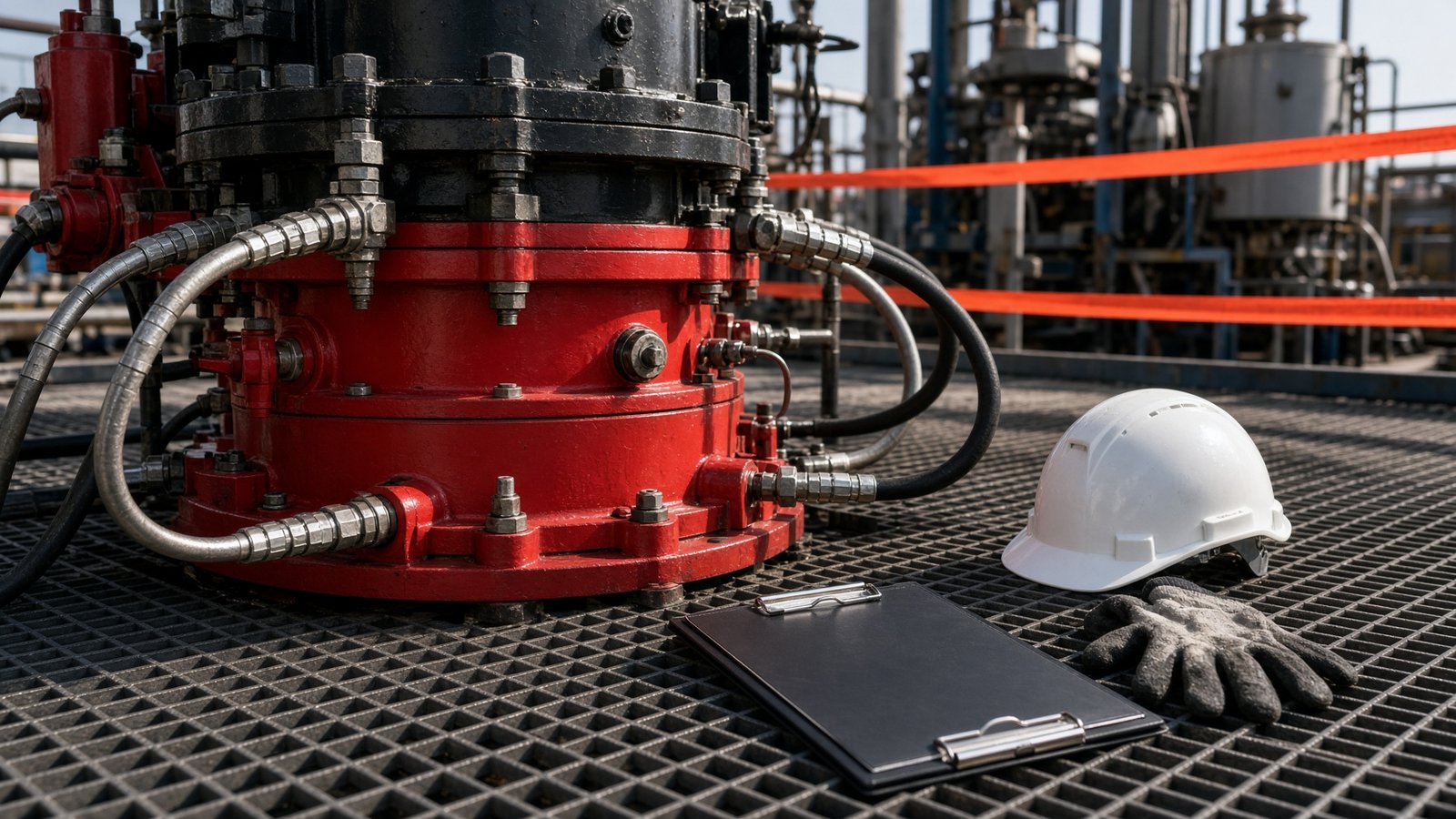
Safety as an operating condition
P&ES treats competence, barriers, SIMOPS and return-to-service as hold-points. Digital tracking names who released the step. Stop-work is not insubordination.
The energy system
Upstream
Exploration, appraisal and development are different jobs. The abandonment plan should be visible before the first joint.
Plant
Inspection planning is production support, not a compliance tax.
Power
Interconnection and offtake decide whether a plant is an asset or a stranded slide.
People
Tickets have dates. A frozen crew list is a hold-point. A CV is a biography.
Keep reading